
Thinking ish-ly allowed his ideas to flow freely. He began to draw what he felt—loose lines. Quickly springing out. Without worry.
—Peter H. Reynolds, Ish

One of my favorite books to share with students year after year is Ish, by brilliant author and illustrator Peter H. Reynolds. Every time I read one of his books aloud, especially the “Creatrilogy” of The Dot, Ish, and Sky Color, I’m amazed by his economy of language. The deceptively simple illustrations do so much of the work. Consider the opening of Ish: “Ramon loved to draw. Anytime. Anything. Anywhere.”
Fine, right? Anyone could have strung those seven words together. But the picture accompanying “Anytime” is Ramon drawing in bed, with a dark sky through the window and the glow of a nightlight. “Anything” sees Ramon outside with his easel, sketching a trash bin replete with fish bones and a buzzing fly.
Next comes the student favorite, a pause for giggles and groans. With “Anywhere,” Reynolds (modestly) depicts Ramon drawing on that most inspiring of art-making spots: the toilet!

Ramon’s childlike love of drawing shatters when his older brother Leon laughs at his work. Crippling perfectionism sets in, as Ramon keeps trying to make his drawings “look ‘right,'” with no success.
He doesn’t achieve a creative breakthrough until his sister Marisol runs off with his crumpled work, something she has been doing surreptitiously for some time. In the book’s most powerful spread, Ramon opens Marisol’s door to find the work he has trashed, unfolded and proudly displayed.

I love sharing this spread with students and asking, “What does she do with the work he thought was trash?” and hearing their answers.
“She thought it was good.”
“She uncrumpled it.”
“She didn’t think it was trash.”
When sweet, hopeful Marisol tells Ramon that his vase looks “vase-ish,” he begins to see the possibilities of “ish” thinking.
Thinking “ishly” allows him once again to make art without the burden of perfection, in “loose lines, quickly springing out, without worry.” One can’t help but look at Reynolds’ own loose lines and find the author’s personal artistic philosophy in Ramon’s revelation.
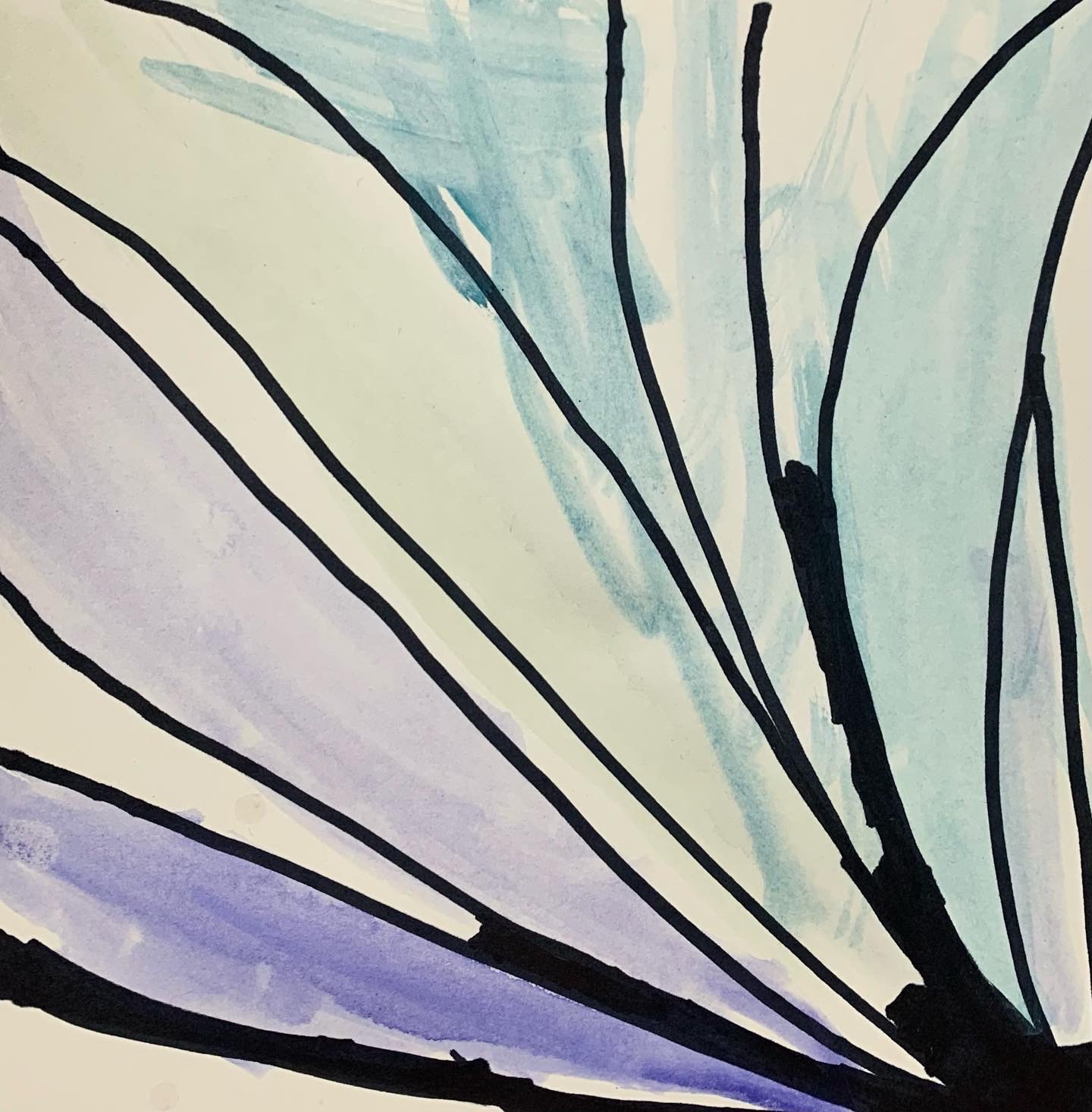
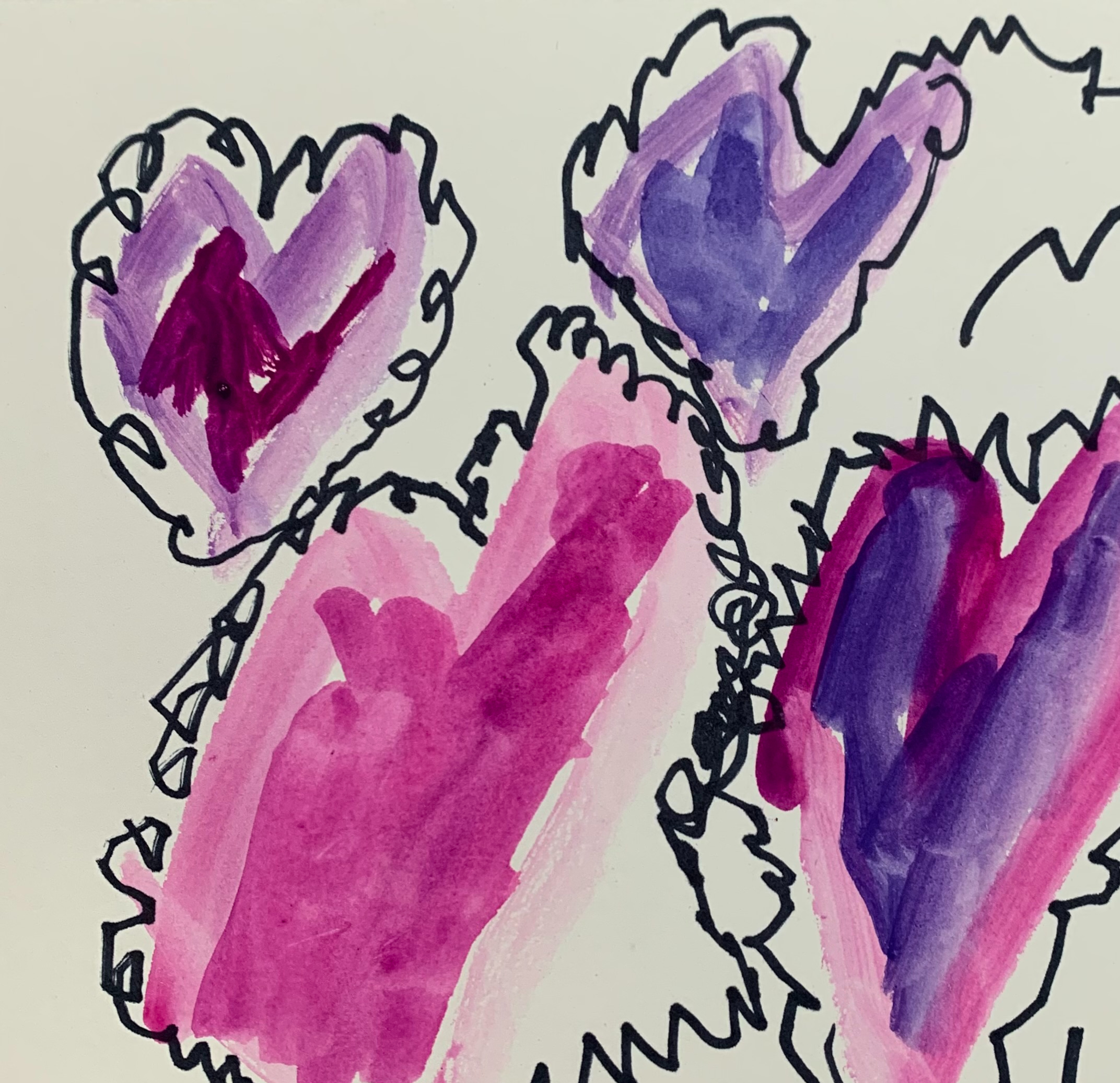
When I use this book for a lesson, I usually have students draw their own “ish” drawings with Sharpie and paint or color with markers, and I love the way it invites them to create without worrying about their work being right. It always works, and sometimes the results are lovely.


It’s so easy for me to let the perfect be the enemy of the good, to get paralyzed with anxiety that because something isn’t finished or right, that it—writing, art, or cleaning and organizing my house and classroom—is not worth attempting. How many times have I declared like Ramon, “I’m done”?
Ish reminds me to savor each moment, to create what’s inside of me, whether it meets the approval of my real or imagined Leons or not. The other day I tweeted the following in response to a #PBParty prompt:

While my tweets rarely attract much notice, I was thrilled when Reynolds himself gave it a like. No other living children’s author has affected my work with students more. I want to be my own Marisol, to—and I’m borrowing from Dickinson—”dwell in possibility.”
To join Ramon in living “ishfully ever after.”
I take a step toward ishful living every time I write a new picture book draft, send out a query after rejection, or make a piece of art. I did it when I put together this website after anxiously avoiding it for at least three years.
I don’t know if anything will ever come of my efforts, or if my work will ever reach beyond my small circle, but I’ve got to believe it’s worth doing anyway.
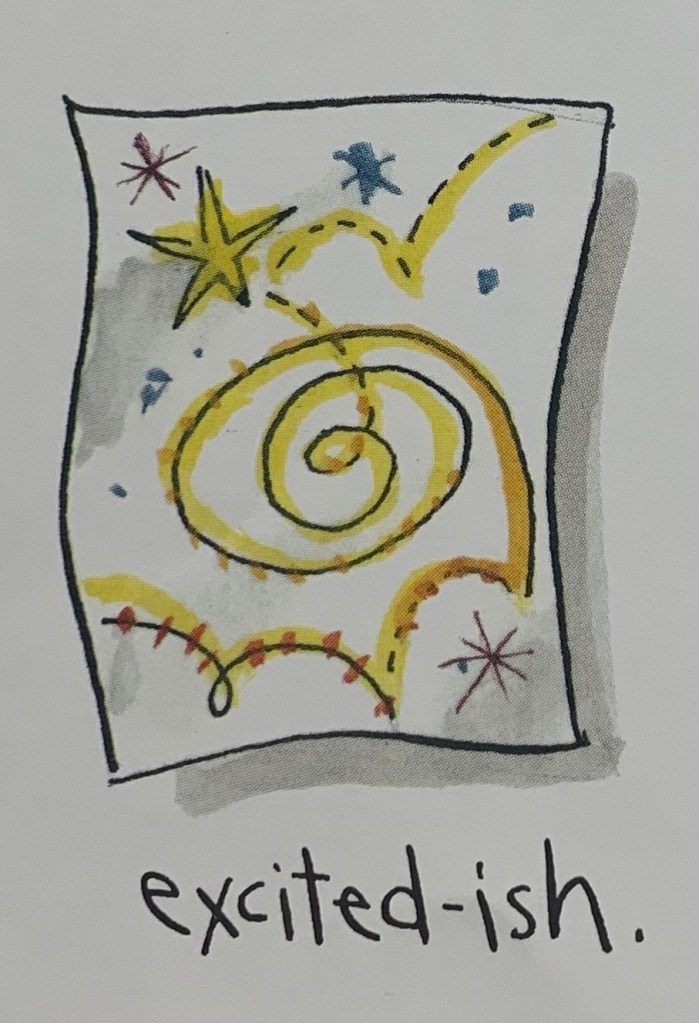
I’m excited to see what comes next. Well,
 Leah Dean Thomas